
Parotid Gland Tumors
Parotid Gland Tumor Treatment in Mumbai | Dr. Rakesh Katna
Trusted Salivary Gland Surgeon · Mumbai & Thane
Dr. Rakesh Katna is a specialist head and neck onco surgeon offering advanced salivary gland surgery in Mumbai, with a particular focus on the safe and precise removal of parotid gland tumors. As an experienced oncologist in Thane, he combines meticulous surgical technique with nerve sparing methods to protect facial function while treating the tumor effectively. Every treatment plan is built around your specific diagnosis, anatomy, and long term wellbeing.
Key Highlights:
- Specialist in Parotid and Salivary Gland Surgery
- Facial Nerve Preservation Technique
- Serving Patients Across Mumbai and Thane
- Experienced Oncologist in Thane
The Procedure
What is a Parotid Gland Tumor?
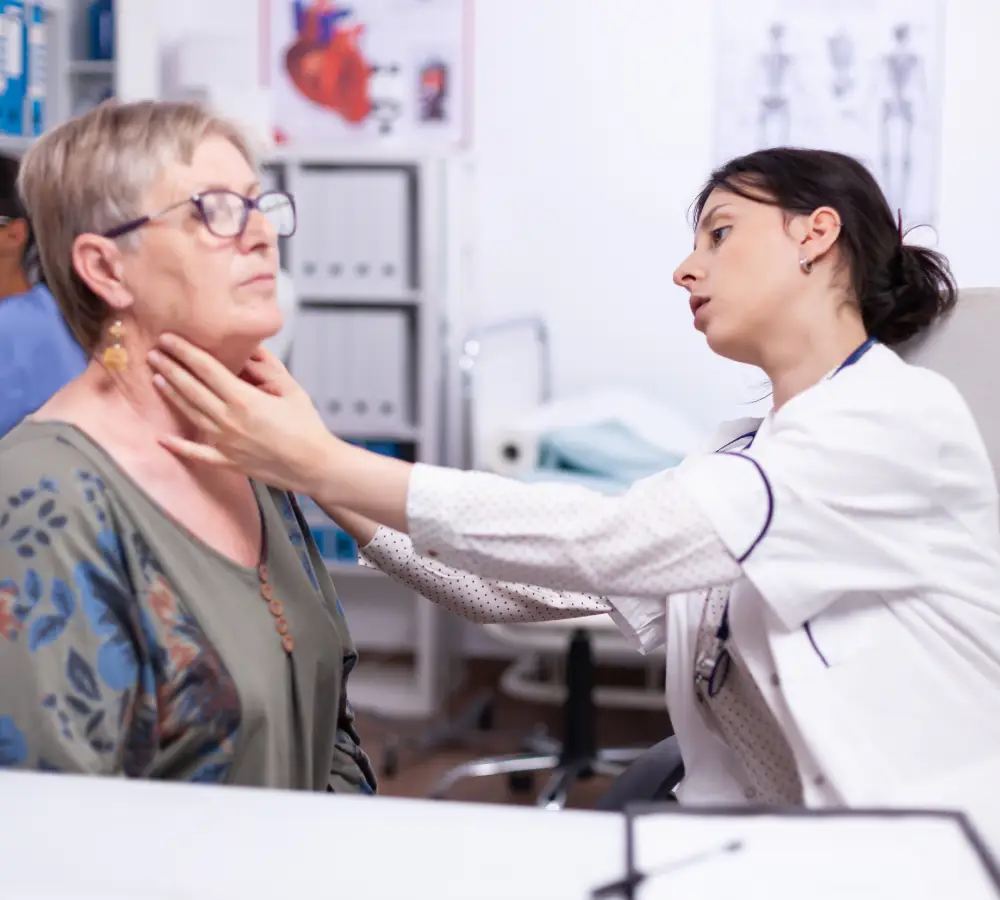
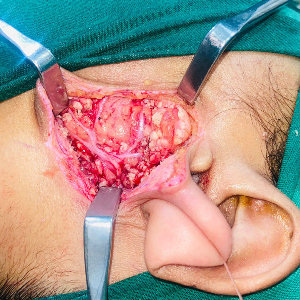
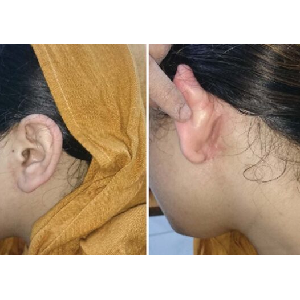
The parotid glands are the largest salivary glands, located just in front of each ear and extending down toward the jaw. A parotid gland tumor is an abnormal growth that develops within this gland. Most parotid tumors are benign, meaning they are non cancerous, but a smaller proportion can be malignant and require oncological treatment. Because the facial nerve runs directly through the parotid gland, surgery in this region demands a high level of precision. Dr. Katna’s approach to salivary gland surgery in Mumbai is built on identifying and preserving this nerve wherever possible, so patients recover full facial movement alongside successful tumor removal.
Indications
When is Free Flap Surgery Needed?
- Benign Parotid Tumors
Slow growing, painless swellings such as pleomorphic adenomas that are removed to prevent enlargement or, rarely, future malignant change.
- Malignant Parotid Tumors
Cancerous growths requiring wider surgical clearance, often combined with neck dissection or further oncology treatment.
- Recurrent Salivary Swelling
Tumors or cysts that keep returning despite conservative management, needing definitive surgical removal.
- Facial Nerve Involvement
Tumors positioned close to or affecting the facial nerve, requiring specialist microsurgical handling during removal.
- Diagnostic Uncertainty
Growths where imaging and biopsy findings are unclear, and surgical removal is advised to confirm diagnosis and treat simultaneously.
The Procedure
Benefits of Choosing Specialist Parotid Tumor Surgery
Accurate Diagnosis and Treatment
Careful preoperative evaluation ensures the right surgical approach is chosen for benign or malignant disease.
Facial Nerve Protection
Nerve sparing surgical technique significantly reduces the risk of facial weakness after the operation.
Complete Tumor Clearance
Precise dissection helps achieve clean surgical margins, lowering the chance of recurrence.
Faster Recovery
Most patients resume normal daily activities within a few weeks, with minimal visible scarring.
Long Term Wellbeing
Ongoing follow up monitors for recurrence and supports full functional recovery of speech, chewing, and facial expression.
Treatment Process
Step by step, with you at every stage
Step 1
Consultation
Dr. Katna reviews your symptoms, examination findings, and any prior scans, and explains the likely diagnosis in simple terms.
Step 2
Evaluation
Ultrasound, MRI or CT imaging, and a fine needle aspiration biopsy help confirm whether the tumor is benign or malignant before planning surgery.
Step 3
Surgical Planning
The extent of gland removal and the nerve preservation strategy are mapped out based on tumor size, location, and biopsy results.
Step 4
Surgery
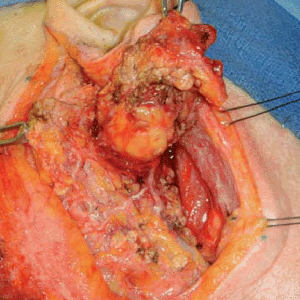
The tumor is removed, most often through a superficial or total parotidectomy, using nerve monitoring techniques to safeguard facial movement.
Step 5
Recovery & Follow-Up
Wound care, monitoring for facial nerve function, and periodic reviews ensure a smooth recovery and early detection of any recurrence.
Why Dr. Rakesh Katna
A Surgeon You Can Trust
Experienced Oncologist in Thane
Years of focused training and hands on experience in head, neck, and salivary gland oncosurgery.
Advanced Surgical Precision
killed in nerve sparing techniques that reduce complications during complex parotid and salivary gland surgery in Mumbai.
Personalised Care
Treatment plans are tailored to each patient, whether the priority is cosmetic outcome, complete cancer clearance, or preserving facial function.
Comprehensive Cancer Support
Dr. Katna coordinates closely with pathologists, radiologists, and oncology colleagues so your entire treatment journey is well managed from diagnosis to recovery.
Other Specialities
Explore Dr. Katna's other services
Beyond parotid gland tumor treatment, Dr. Katna offers a complete range of head, neck, and oncology surgical services across Mumbai and Thane.
Head and Neck Cancer Surgery
Precise surgical removal of tumors of the oral cavity, throat, larynx, and thyroid.
Oral Cancer Treatment
Specialised surgery for cancers of the tongue, cheek, lips, and palate, combined with functional reconstruction.
- Know more
Thyroid and Parathyroid Surgery
Minimally scarring thyroidectomy and parathyroidectomy performed by an experienced oncologist in Thane and Mumbai
Neck Dissection Surgery
Selective and radical neck dissections to clear lymph node disease as part of complete cancer treatment.
- Know more
Salivary Gland Surgery
Advanced microsurgical reconstruction for patients who need tissue restoration after major head and neck cancer surgery
FAQ
Frequently Asked Questions
It is an abnormal growth within the parotid gland, the largest salivary gland located near the ear and jaw. Most are benign, though some require oncological evaluation and treatment.
Yes. With careful preoperative imaging, nerve monitoring, and an experienced surgical team, parotid gland surgery is a well established and safe procedure with a low complication rate.
Temporary weakness can occur due to nerve handling during surgery, but permanent facial nerve damage is uncommon when nerve sparing technique is used by an experienced surgeon.
Most patients are discharged within a few days and return to normal routines within two to three weeks, with full recovery of any temporary symptoms over the following months.
A combination of clinical examination, imaging, and fine needle aspiration biopsy is used to assess the tumor before surgery, guiding the most appropriate treatment plan.
As a specialist oncologist in Thane with focused expertise in head and neck surgery, Dr. Katna offers precise, nerve preserving surgical care supported by a coordinated multidisciplinary team.
- Thane & Mumbai