
Parathyroid Disease
Parathyroid Disease Treatment in Thane | Dr. Rakesh Katna
Expert Thyroid cancer surgery in Thane , Mumbai
Dr. Rakesh Katna is a leading thyroid and parathyroid surgeon in Thane, offering accurate diagnosis and advanced surgical care for parathyroid disease. His approach ensures patients receive personalized, multidisciplinary care aimed at faster recovery and improved health.
Key Highlights:
- Specialist Thyroid and Parathyroid Surgeon
- Multidisciplinary Cancer Team
- Minimally Scarring Surgical Technique
- Serving Thane & Mumbai
The Procedure
What is Free Flap Reconstruction Surgery?
Free flap reconstruction is an advanced microsurgical procedure where living tissue skin, muscle, or bone is taken from a donor site on your body and transplanted to repair a defect left after cancer removal. The tissue comes with its own blood supply, which Dr. Katna reattaches under a surgical microscope.
Because the flap lives and adapts like native tissue, this is the gold standard for rebuilding complex head and neck defects often performed in the same operation as tumour removal, so recovery begins with your anatomy already restored.
Key Symptoms
- Persistent fatigue, low mood, or difficulty concentrating
- Recurring kidney stones or frequent urination
- Bone pain, fragility fractures, or reduced bone density
- Elevated blood calcium on a routine test
- Nausea, loss of appetite, or unexplained constipation
- Muscle weakness or cramping
- Tingling in the fingers or around the mouth
- A lump or swelling at the front of the neck
Indications
Parathyroid Conditions Dr. Katna Manages
-
Primary
Hyperparathyroidism
A benign adenoma causes excess PTH and raised calcium, leading to bone loss and kidney stones.
- Secondary Hyperparathyroidism
Chronic kidney disease or prolonged vitamin D deficiency drives all four parathyroid glands to overproduce PTH.
-
Tertiary
Hyperparathyroidism
Persistent PTH overproduction after secondary disease or kidney transplant.
- Parathyroid Adenoma
A single benign gland enlargement accounting for most primary hyperparathyroidism cases.
- Hypoparathyroidism
Insufficient PTH production, often following thyroid or parathyroid surgery.
- Parathyroid Cancer
A rare malignancy requiring en-bloc surgical resection by an experienced oncosurgeon.
The Procedure
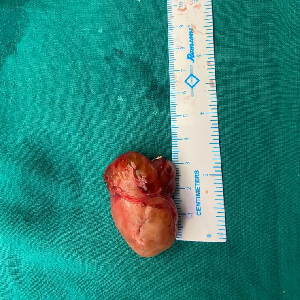
Benefits of Specialist Parathyroid Treatment
Choosing the best thyroid cancer doctor in Thane for parathyroid care means more than removing a gland. It means recovering function, protecting long-term health, and finally understanding what has been causing your symptoms.
Restores Normal Calcium Balance
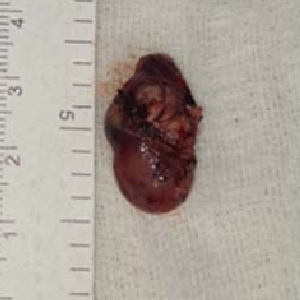
Surgical removal of the overactive gland normalizes PTH and calcium levels.
Relieves Fatigue and Brain Fog
Many patients report significant improvements in energy and mental clarity.
Protects Bone Density
Correcting PTH levels halts progressive bone loss.
Reduces Kidney Stone Risk
Normalizing calcium excretion lowers the likelihood of new stones.
Minimally Scarring Approach
Targeted parathyroidectomy uses small incisions for better cosmetic outcomes.
Treatment Process
How Parathyroid Disease Treatment Works
Step 1
Initial Consultation
Dr. Katna reviews your blood calcium results, symptoms, and full medical history. If parathyroid disease is suspected, targeted investigations are arranged immediately.
Step 2
Localisation Imaging
Sestamibi nuclear scan, neck ultrasound, and 4D CT imaging are used to pinpoint the overactive gland or glands before surgery, enabling a focused, minimal-access approach.
Step 3
Surgical Planning
Based on imaging findings and lab results, Dr. Katna maps the precise surgical strategy, whether a targeted single-gland removal or a four-gland exploration is required.
Step 4
Parathyroidectomy Surgery
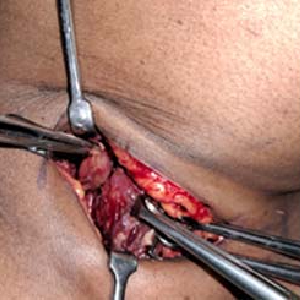
The overactive gland is removed through a small, carefully placed neck incision. Intraoperative PTH testing confirms cure before wound closure, so patients leave the theatre with confidence.
Step 5
Recovery & Follow-Up
Most patients are discharged within 24 hours. Calcium and PTH are monitored closely in the days following surgery, with ongoing surveillance to confirm durable remission.
Why Dr. Rakesh Katna
The Best Thyroid Cancer Doctor in Thane
Dedicated Endocrine Oncosurgical Training
Fellowship-level expertise in thyroid and parathyroid surgery, covering benign disease, malignancy, and complex reoperative cases across Thane and Mumbai.
Advanced Microsurgical Expertise
Real-time hormone testing during surgery confirms complete gland removal before closure, significantly reducing the need for repeat procedures.
Nerve and Structure Preservation
Meticulous technique protects the recurrent laryngeal nerves and remaining parathyroid glands, preserving voice quality and normal calcium regulation after surgery.
Comprehensive Multidisciplinary Care
Endocrinologists, radiologists, and oncologists collaborate on every complex case, ensuring diagnosis, surgery, and follow-up are tightly coordinated around the patient.
Explore More Services
Other Specialities by Dr. Rakesh Katna
Beyond parathyroid disease, Dr. Katna offers a full range of head, neck, and oncosurgical services, all delivered with the same precision and personalised approach in Thane and Mumbai.
Head & Neck Cancer Surgery
Surgical resection of tumours of the oral cavity, throat, larynx, and thyroid with precision oncological margins.
Free Flap Reconstruction
Microsurgical tissue transplantation to restore form and function after complex head and neck cancer surgery.
Thyroid & Parathyroid Surgery
Minimally scarring thyroidectomy and parathyroidectomy by an experienced onco surgeon in Thane and Mumbai.
Neck Dissection Surgery
Selective and radical neck dissections to clear lymph node disease as part of a complete head and neck cancer treatment plan.
- Know more
Salivary Gland Surgery
Parotidectomy and submandibular gland surgery for tumours and chronic disease, with nerve preservation where possible.
FAQ
Frequently Asked Questions
The thyroid and parathyroid are separate glands with entirely different functions. The thyroid regulates metabolism, while the four parathyroid glands control calcium and phosphate levels. Parathyroid disease most often means one gland is overproducing PTH, raising blood calcium and causing wide-ranging symptoms. The two conditions can coexist, which is why a specialist with expertise in both is valuable.
For primary hyperparathyroidism with symptoms, kidney stones, or significant bone loss, surgery is the only curative option and is the treatment recommended by international endocrine surgery guidelines. Mildly elevated calcium in older patients without symptoms may sometimes be monitored.
For a focused minimally invasive parathyroidectomy, most patients are discharged the same day or within 24 hours and return to normal daily activities within one to two weeks. Calcium levels are monitored closely in the first few days as the remaining glands adjust. More extensive exploration or parathyroid cancer resection may require a slightly longer stay and recovery period.
The main risks include temporary low calcium (hypocalcaemia) as the remaining glands wake up, and a small risk of injury to the recurrent laryngeal nerve which controls voice. In experienced hands, permanent complications are uncommon. Dr. Katna uses intraoperative nerve monitoring and real-time PTH testing to minimise these risks at every step of the procedure.
Dr. Katna is a dedicated head and neck oncosurgeon with specialised training in thyroid and parathyroid surgery. As the best thyroid cancer doctor in Thane, he combines advanced localisation imaging, intraoperative PTH monitoring, meticulous nerve preservation, and a fully coordinated multidisciplinary team to deliver consistently high cure rates and excellent patient experience across every case he manages.
- Thane & Mumbai