
Robotic surgery
Robotic Surgery in Mumbai | Dr Rakesh Katna
Top Oncologist in Mumbai · Advanced Robotic Cancer Care
Dr Rakesh Katna is a top oncologist in Mumbai offering advanced robotic surgery in Mumbai for patients seeking precise, minimally invasive treatment of head, neck, and cancer related conditions. Every robotic surgery in Mumbai procedure combines robotic precision with a personalised treatment plan, so patients recover faster and return to daily life with confidence.
Key Highlights:
- Advanced Robotic Surgical Training
- Recognised as a Top Oncologist in Mumbai
- Serving Patients Across Mumbai
- Minimally Invasive, Precision Driven Approach
The Procedure
What is Robotic Surgery?
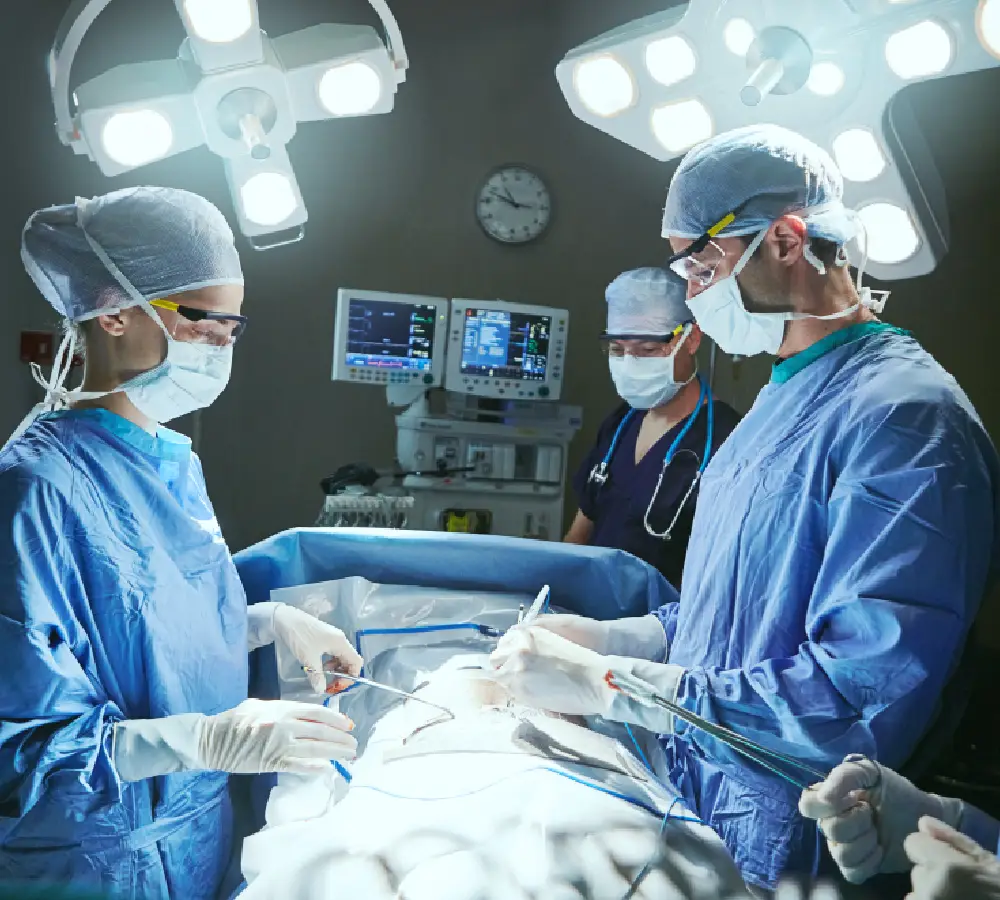
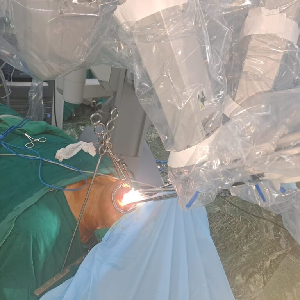
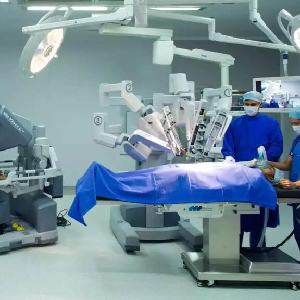
Robotic surgery in Mumbai is performed using a state of the art surgical system that allows the surgeon to operate through small incisions with exceptional precision and control. Dr Rakesh Katna sits at a console and guides robotic arms fitted with miniature instruments and a high definition three dimensional camera, giving a magnified, clear view of the surgical area. Because the movements are more accurate than traditional open surgery, robotic surgery in Mumbai allows delicate structures such as nerves and blood vessels to be preserved while the tumour is removed. This translates into less trauma to surrounding tissue, reduced blood loss, and a smoother recovery for the patient. For many head, neck, and cancer related conditions, robotic surgery in Mumbai is now considered a preferred option because it combines the accuracy of microsurgery with the benefits of a minimally invasive approach.
Indications
When is Robotic Surgery Needed?
- Head and Neck Cancer Surgery
Removal of tumours from the throat, voice box, and oral cavity with precise margins and minimal disruption to function.
- Thyroid and Parathyroid Surgery
Robotic access allows gland removal through smaller incisions, often with a shorter hospital stay.
- Oral and Tongue Cancer Surgery
Enhanced visibility helps preserve speech and swallowing function during tumour removal.
- Reconstructive and Function Preserving Procedures
Robotic precision supports better outcomes when reconstruction is combined with cancer surgery.
- Complex Tumour Removal
Robotic precision supports better outcomes when reconstruction is combined with cancer surgery.
The Procedure
Benefits of Robotic Surgery in Mumbai
The most reliable path back to natural function and confidence after head and neck cancer surgery.
Greater Precision
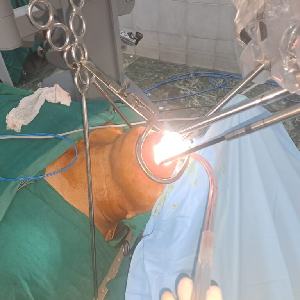
Choosing robotic surgery in Mumbai means the magnified three dimensional view and steady robotic arms allow Dr Katna to work with accuracy that is difficult to achieve through open surgery.
Minimally Invasive
Smaller incisions mean less scarring, reduced pain, and a quicker return to normal activities.
Faster Recovery
Patients undergoing robotic surgery in Mumbai typically experience shorter hospital stays and resume eating, speaking, and daily routines sooner.
Reduced Blood Loss
Precise instrument control lowers the risk of bleeding during complex procedures.
Better Functional Outcomes
Preserving healthy tissue and nerves supports long term speech, swallowing, and movement.
Treatment Process
Step by step, with you at every stage
Step 1
Consultation
Dr Katna reviews your diagnosis, imaging, and medical history, and discusses whether robotic surgery is the right approach for you.
Step 2
Evaluation
CT, MRI, or PET scans along with blood work are completed to plan the surgery in detail.
Step 3
Surgical Planning
The surgical approach, incision points, and robotic technique are mapped out to suit your specific case.
Step 4
Surgery
The robotic surgery in Mumbai procedure is performed using the robotic system, with continuous monitoring for safety and precision throughout.
Step 5
Recovery and Follow Up
Patients are monitored closely after surgery, with guidance on nutrition, therapy, and long term oncology follow up as needed.
Why Dr. Rakesh Katna
A Specialist You Can Trust
Top Oncologist in Mumbai
Years of dedicated experience treating complex head, neck, and cancer conditions with consistently strong outcomes.
Advanced Robotic Expertise
Specialised training in robotic assisted surgical techniques ensures every procedure is performed with precision and care.
Patient Centred Approach
Every treatment plan is built around your diagnosis, priorities, and long term quality of life.
Multidisciplinary Coordination
Dr Katna works closely with oncologists, therapists, and support staff so your entire treatment journey is well managed from diagnosis through recovery.
Other Services
Explore Dr Rakesh Katna's Other Specialities
Beyond robotic surgery in Mumbai, Dr Katna offers a comprehensive range of head, neck, and oncology surgical services under one expert roof.
Free Flap Reconstruction Surgery
Microsurgical reconstruction that restores form and function after cancer removal.
Head and Neck Cancer Surgery
Surgical treatment of tumours affecting the oral cavity, throat, larynx, and thyroid.
Oral Cancer Treatment
Specialised surgery for cancers of the tongue, cheek, lips, and palate.
- Know more
Thyroid and Parathyroid Surgery
Precise, minimally scarring procedures for gland related conditions.
Neck Dissection Surgery
Careful removal of affected lymph nodes as part of complete cancer treatment.
- Know more
FAQ
Frequently Asked Questions
Robotic surgery in Mumbai is a minimally invasive technique where the surgeon controls robotic arms fitted with small instruments and a high definition camera to perform precise, complex procedures through small incisions.
Patients with head, neck, thyroid, or oral cancers, especially where tumours are in delicate or hard to reach areas, often benefit most from this approach.
Most patients experience a shorter hospital stay compared with open surgery and can resume normal activities within a few weeks, though full recovery depends on the extent of the procedure.
Yes. Robotic surgery is a well established technique that offers enhanced precision and control, which can reduce complications when performed by an experienced surgeon.
As a top oncologist in Mumbai with specialised robotic surgical training, Dr Katna combines technical precision with a patient focused approach to deliver the best possible outcomes.
- Thane & Mumbai