
Free Flap Surgery
Free Flap Reconstruction Surgery in Thane | Dr. Rakesh Katna
Trusted Head & Neck Oncosurgeon · Thane, Maharashtra
Dr. Rakesh Katna is a specialist onco surgeon in Thane with advanced microsurgical expertise in free flap reconstruction - helping patients regain function, confidence, and quality of life after head and neck cancer surgery. Every plan is personalised to you.
Key Highlights:
- Advanced Microsurgical Training
- Head & Neck Cancer Specialist
- High Flap Success Rate
- Serving Thane & Mumbai
The Procedure
What is Free Flap Reconstruction Surgery?
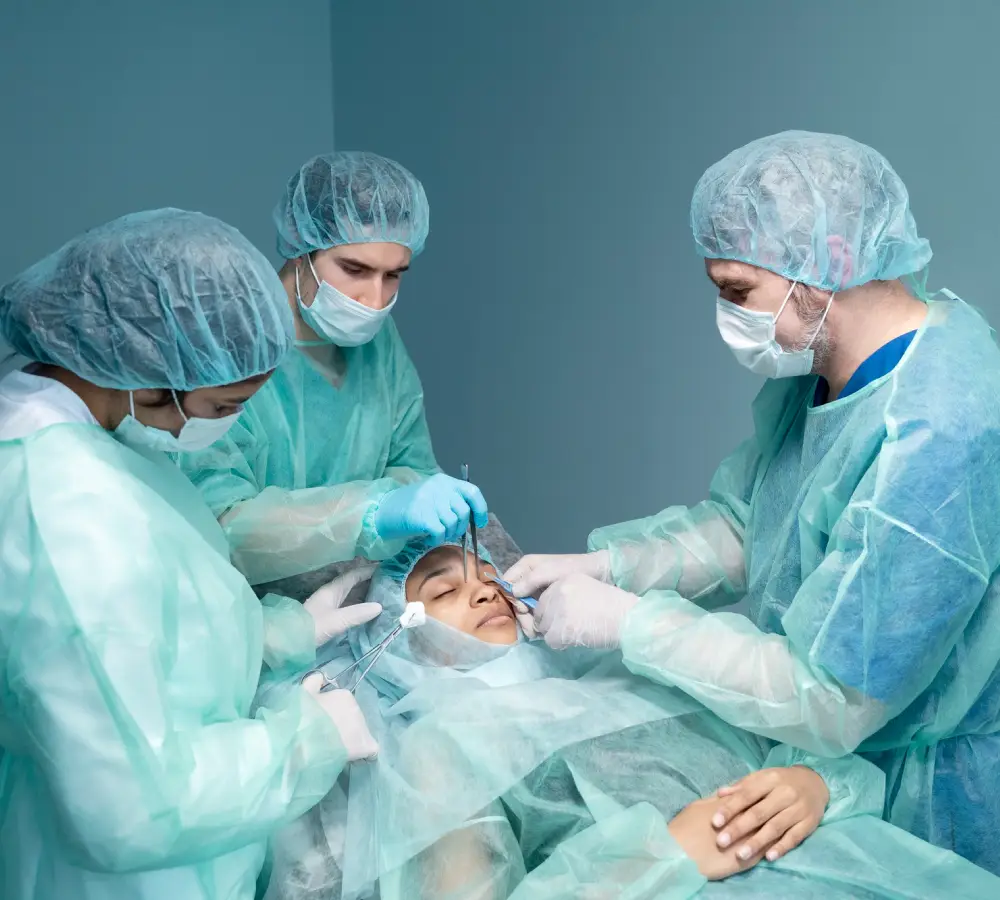
Free flap reconstruction is an advanced microsurgical procedure where living tissue skin, muscle, or bone is taken from a donor site on your body and transplanted to repair a defect left after cancer removal. The tissue comes with its own blood supply, which Dr. Katna reattaches under a surgical microscope.
Because the flap lives and adapts like native tissue, this is the gold standard for rebuilding complex head and neck defects often performed in the same operation as tumour removal, so recovery begins with your anatomy already restored.
Indications
When is Free Flap Surgery Needed?
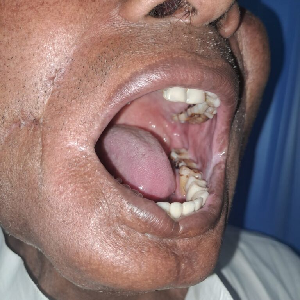
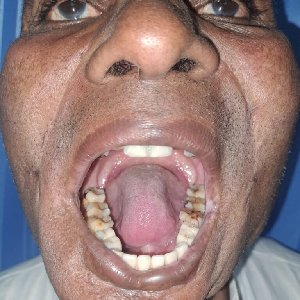
- Oral Cancer Reconstruction
Restoring the mouth lining, cheeks, and palate so patients can eat and speak naturally again.
- Tongue Reconstruction
Soft tissue flaps preserve as much speech and swallowing function as possible after partial or total tongue loss.
- Jaw Reconstruction
Vascularised bone replaces the removed mandible and can later support dental implants for full oral rehabilitation.
- Head & Neck Cancer Defects
Throat, voice box, and oropharyngeal defects are rebuilt to maintain airway and voice quality.
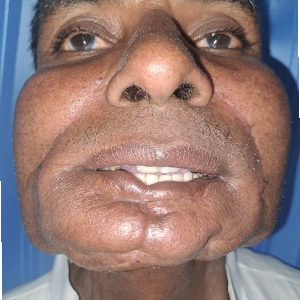
- Facial Tissue Reconstruction
Skin and soft tissue of the cheek, forehead, or scalp lost to surgery is restored for function and appearance.
The Procedure
Why patients choose
free flap reconstruction
The most reliable path back to natural function and confidence after head and neck cancer surgery.
Restores Function
Eating, speaking, and swallowing are dramatically improved when critical defects are repaired with well-matched living tissue.
Improves Appearance
Carefully matched donor tissue minimises visible differences, restoring a natural look and boosting confidence.
Better Quality of Life
Patients return to meals with family, social activities, and work far sooner than with lesser reconstructive options.
Long-Term Durability
Flap tissue lives and adapts over years; bone flaps can even support dental implants over time.
Supports Complete Cancer Removal
Reconstruction allows surgeons to achieve wider, cleaner tumour margins without sacrificing function.
Treatment Process
Step by step, with you at every stage
Step 1
Consultation
Dr. Katna reviews your diagnosis, previous treatment, and personal goals, and answers every question.
Step 2
Evaluation
CT, MRI, PET scans, blood work, and donor-site assessment are completed; a multidisciplinary team reviews the case.
Step 3
Surgical Planning
The precise flap choice, vessel anastomosis sites, and operative sequence are mapped out in detail before the day of surgery.
Step 4
Surgery
Tumour removal and free flap reconstruction are typically performed in a single anaesthetic, with Doppler confirmation before wound closure.
Step 5
Recovery & Follow-Up
Close flap monitoring in the first 72 hours, followed by speech therapy, nutritional support, and oncology surveillance.
Why Dr. Rakesh Katna
A Surgeon You Can Trust
Experienced Onco Surgeon in Thane
Extensive head and neck oncosurgical training with a proven record across diverse free flap procedures.
Advanced Microsurgical Expertise
Meticulous vessel anastomosis technique under high-power microscopy underpins consistently high flap survival.
Personalised Care
Each reconstruction plan is shaped around your priorities — whether restoring speech, enabling meals, or returning to work.
Comprehensive Cancer Reconstruction
Dr. Katna coordinates oncologists, therapists, and nutritionists so your entire journey is seamlessly managed.
Other Specialities
Explore Dr. Katna's other services
A comprehensive range of head, neck, and oncology surgical services — all under one expert roof in Thane and Mumbai.
Head & Neck Cancer Surgery
Surgical resection of tumours of the oral cavity, throat, larynx, and thyroid with precision oncological margins.
Oral Cancer Treatment
Specialised surgery for cancers of the tongue, cheek, lips, and palate, combined with reconstruction for optimal function.
- Know more
Thyroid & Parathyroid Surgery
Minimally scarring thyroidectomy and parathyroidectomy by an experienced onco surgeon in Thane and Mumbai.
Neck Dissection Surgery
Selective and radical neck dissections to clear lymph node disease as part of a complete head and neck cancer treatment plan.
- Know more
Salivary Gland Surgery
Parotidectomy and submandibular gland surgery for tumours and chronic disease, with nerve preservation where possible.
FAQ
Frequently Asked Questions
Living tissue with its own blood supply is taken from a donor area and microsurgically transplanted to fill a defect after cancer surgery. The tiny vessels are reconnected under a microscope so the tissue survives and heals as native tissue in its new location.
Patients with large or complex defects after head and neck cancer removal — including oral cancer, tongue cancer, jaw tumours, and throat cancer — where simpler techniques such as skin grafts are insufficient.
Most patients stay in hospital 10–14 days and resume basic activities within 4–6 weeks. Speech, swallowing, and full function continue to improve over 3–6 months with therapy.
Free flap surgery is well-established and widely considered the most reliable major reconstructive option. Risks such as vessel thrombosis or wound infection are minimised through meticulous planning, experienced technique, and intensive early monitoring.
In experienced microsurgical centres, flap survival rates exceed 95%. The critical window is the first 48–72 hours, when intensive monitoring allows any vascular issue to be identified and corrected quickly.
Yes — for most patients, both functions improve meaningfully. Outcomes depend on the extent of resection; specialist speech therapy from early recovery maximises results for every patient.
Dr. Katna is a dedicated onco surgeon in Thane with specialised microsurgical training, a multidisciplinary team approach, and a commitment to integrating reconstruction seamlessly with cancer treatment for the best functional and aesthetic outcomes.
- Thane & Mumbai