
Head & Neck Cancer
best head and neck oncologist in Mumbai - Dr Rakesh Katna
Trusted Head neck Onco surgery - Thane , Mumbai
Dr. Rakesh Katna brings advanced head neck onco surgery in Mumbai together with compassionate, personalised care so every patient faces their cancer journey with expert guidance and a clear path forward.
Key Highlights:
- Advanced Surgical Training
- Multidisciplinary Team
- Head & Neck Cancer Specialist
- Serving Thane & Mumbai
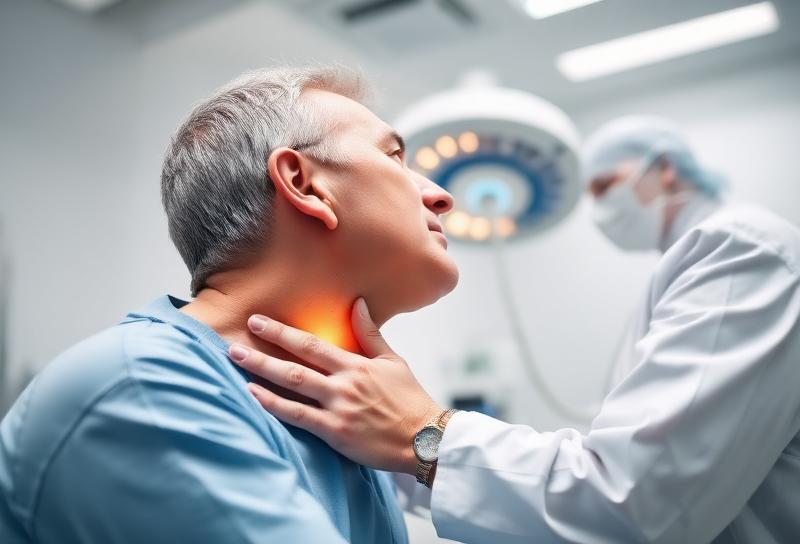
The Procedure
What Is Head and Neck Cancer?
Head and neck cancers are a group of malignancies that arise in the tissues and organs of the head and neck region, including the oral cavity, throat (pharynx), voice box (larynx), salivary glands, thyroid, and the lymph nodes of the neck. Together they account for a significant proportion of cancer cases in India, making access to the best head and neck oncologist in Mumbai a critical first step toward effective care.
The most common type in South Asia is squamous cell carcinoma, often linked to tobacco use, betel nut chewing, and in some cases, human papillomavirus (HPV) infection. Symptoms range from a persistent sore throat or hoarseness to a painless neck lump, difficulty swallowing, or a non-healing ulcer inside the mouth.
Early detection dramatically improves outcomes. If you or a loved one notices any of these warning signs for more than three weeks, a specialist evaluation is strongly recommended. Dr. Rakesh Katna provides timely, expert assessment and a complete treatment plan tailored to your specific diagnosis.
Indications
Head and Neck Cancers Treated by Dr. Katna
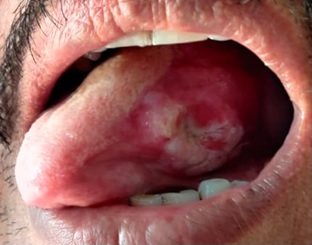
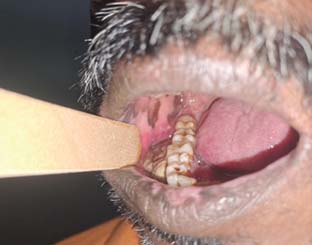
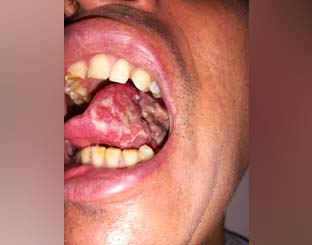
- Oral Cavity Cancer
Cancers of the tongue, cheek lining, lips, floor of mouth, and palate, treated with precise surgical removal and functional reconstruction.
- Throat and Larynx Cancer
Tumours of the pharynx and voice box managed with voice-preservation techniques wherever oncologically possible.
- Neck Lymph Node Disease
Selective and radical neck dissections to address nodal spread, performed with attention to minimising long-term shoulder and neck morbidity.
- Salivary Gland Tumours
Parotid and submandibular gland tumours removed with nerve-preservation priority, protecting facial function and appearance.
- Nasal and Sinus Cancers
Complex nasal cavity and paranasal sinus malignancies managed through a team approach integrating surgery and oncology planning.
The Procedure
Benefits of Choosing Specialist Head and Neck Cancer Care
When you choose the best head and neck oncologist in Mumbai, the difference shows not just in survival rates but in the quality of life you experience through and after treatment
Restores Function
Eating, speaking, and swallowing are dramatically improved when defects are repaired with well-matched tissue and expert surgical technique.
Improves Appearance
Carefully planned reconstruction minimises visible differences, restoring a natural look and rebuilding confidence after surgery.
Better Quality of Life
Patients return to meals with family, social activities, and daily routines far sooner with a comprehensive, well-coordinated treatment plan
Long-Term Durability
Reconstructed tissue lives and adapts over years, providing lasting functional and aesthetic results that hold up well through adjuvant therapy.
Supports Complete Cancer Removal
Reconstruction planning allows surgeons to achieve wider, cleaner tumour margins without sacrificing the patient's appearance or function.
Treatment Process
How Head and Neck Cancer Treatment Works (Your Care Journey)
Every patient who walks into Dr. Katna's clinic receives a structured, step-by-step plan. There are no templates here: each treatment strategy is built around the individual's tumour biology, overall health, and personal priorities.
Step 1
Initial Consultation
Dr. Katna reviews your symptoms, prior investigations, and personal concerns. Every question is answered before you move to the next step.
Step 2
Comprehensive Staging
CT, MRI, and PET scans alongside biopsy results are reviewed. A multidisciplinary tumour board evaluates the full picture before finalising the approach.
Step 3
Treatment Planning
Surgical sequence, reconstruction options, and adjuvant therapy requirements are mapped out in detail and explained clearly to the patient and family.
Step 4
Surgery & Reconstruction
Tumour removal is performed with precise oncological margins. Where needed, head neck onco surgery in Mumbai
Step 5
Recovery and Surveillance
Speech therapy, nutritional support, and oncology follow-up are coordinated from the first post-operative day, ensuring a supported, monitored recovery.
Why Dr. Rakesh Katna
The Best Head and Neck Oncologist in Mumbai
Specialised Oncosurgical Training
Extensive fellowship-level training in head and neck oncology surgery, covering resection, reconstruction, and microsurgical technique.
Multidisciplinary Team:
Every case is reviewed by a team of medical oncologists, radiation specialists, pathologists, speech therapists, and nutritionists working together toward one goal.
Functional Preservation First
Wide oncological margins and preserved function are not mutually exclusive. Dr. Katna plans surgery to protect speech, swallowing, and appearance wherever possible.
Patient-Centred Communication
Patients and families receive clear, jargon-free explanations at every stage. No question is too small, and informed consent is never rushed.
Explore More Services
Other Specialities by Dr. Rakesh Katna
Beyond head and neck cancer surgery, Dr. Katna offers a comprehensive range of oncosurgical procedures, all delivered with the same precision and patient focus.
Free Flap Reconstruction
Microsurgical tissue transplantation to restore form and function after complex head and neck cancer surgery.
Oral Cancer Surgery
Precise surgical removal of tongue, cheek, lip, and palate tumours with reconstruction for maximum function.
- Know more
Thyroid and Parathyroid Surgery
Minimally scarring thyroidectomy and parathyroidectomy by an experienced head and neck oncosurgeon.
Neck Dissection Surgery
Selective and radical neck dissections to clear lymph node disease as part of a complete head and neck cancer treatment plan.
- Know more
Salivary Gland Surgery
Parotidectomy and submandibular gland surgery for tumours and chronic disease, with nerve preservation where possible.
FAQ
Frequently Asked Questions
The best head and neck oncologist in Mumbai combines subspecialty surgical training, a multidisciplinary team environment, high-volume experience in both resection and reconstruction, and a proven track record of achieving clear oncological margins while preserving critical functions such as speech and swallowing.
Many head and neck cancers are curable, particularly when diagnosed at an early or localised stage. Even locally advanced cancers can be controlled with a combination of surgery, radiation therapy, and chemotherapy. The key factor is timely intervention by an experienced team.
Head neck onco surgery in Mumbai typically refers to surgical procedures performed to remove cancerous tumours from the oral cavity, throat, larynx, thyroid, salivary glands, or neck lymph nodes. Depending on the extent of disease, it may also include reconstructive surgery to restore Head & Neck Oncologist in Mumbai – appearance and function.
For most patients, both speech and swallowing function improve significantly after surgery and dedicated rehabilitation. Outcomes depend on the size and location of the tumour and the type of reconstruction performed.
Hospital stays typically range from 7 to 14 days depending on procedure complexity. Most patients resume basic daily activities within 4 to 6 weeks, with continued functional improvement over 3 to 6 months through therapy and follow-up..
- Thane & Mumbai